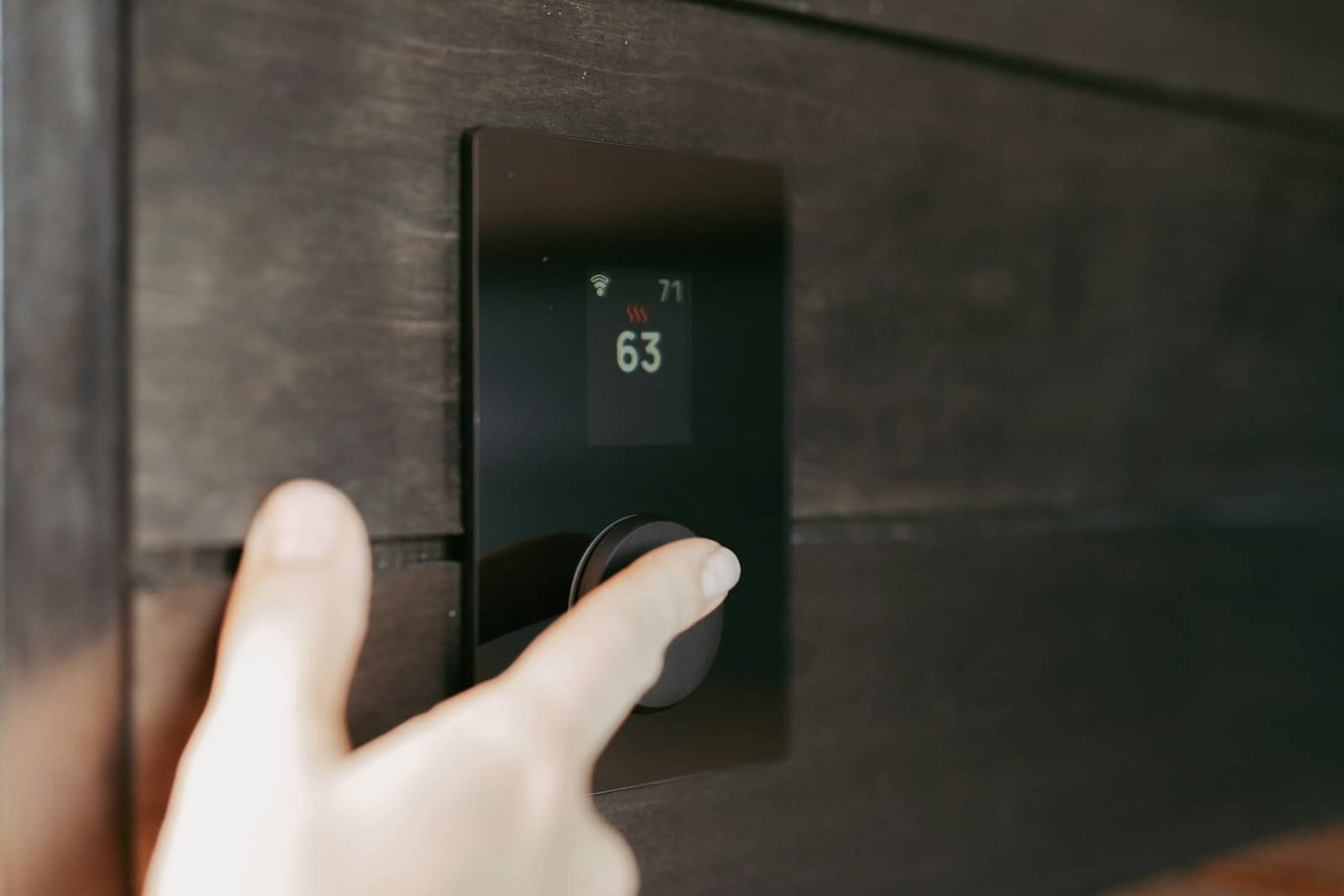
Thermostat control being adjusted during a home energy audit
Home performance

Energy Audits

Most Texas homes waste 20–30% of their energy through gaps, bad insulation, and duct leaks you can’t see. An energy audit finds every one of them and gives you a dollar-for-dollar plan to fix what matters most — so you stop guessing and start saving.
Snapshot
Category
Home performance
Focus
Find the waste first
Next step
Consultation
Overview

Stop guessing where your money goes.

You can feel the draft by the back door. You know the upstairs is ten degrees hotter than downstairs. But you don’t know which problems cost you $40 a month and which ones cost $400. That’s what an audit answers — with diagnostic equipment that sees what you can’t: air leaks behind walls, duct losses in the attic, insulation gaps that have been there since the house was built. You walk away with a prioritized fix list ranked by savings, not a sales pitch.

What a good energy audits plan should cover

Blower door testing reveals hidden air leaks
A blower door depressurizes your home and measures exactly how much air escapes and where — around outlets, plumbing, attic hatches, and penetrations you’d never find by feel.
Thermal imaging shows what’s missing behind walls
An infrared camera maps temperature differences across every wall and ceiling. Missing insulation, moisture problems, and thermal bridges light up on screen — no guessing, no tearing open drywall.
Duct leakage testing catches hidden HVAC losses
In many Texas homes, 20–30% of conditioned air never reaches your rooms. Duct testing measures exactly how much you’re losing and where — usually in the attic where it hurts most.

How energy audits should be approached

1
Gather 12 months of electric bills and schedule your audit
Your billing history lets the auditor benchmark your home against similar houses in your zip code. Bring any comfort complaints too — hot rooms, drafts, humidity — so the testing targets the right areas.
2
Blower door depressurization, infrared scan, and duct leakage test
The blower door pulls air out of the house to measure total leakage in CFM50. An infrared camera maps temperature differences on every wall and ceiling — exposing missing insulation, moisture, and thermal bridges you’d never spot visually. Duct testing measures how much conditioned air leaks before it reaches your rooms.
3
Receive a dollar-ranked fix list with payback timelines
Each recommendation comes with estimated cost, projected annual savings, and payback period. Air sealing might pay back in 8 months. A duct repair might save $600/year. You decide what to do first based on numbers, not a sales pitch.

Energy Audits questions

Talk to an advisor

The goal is a clearer recommendation, a cleaner plan, and the right conversation first.