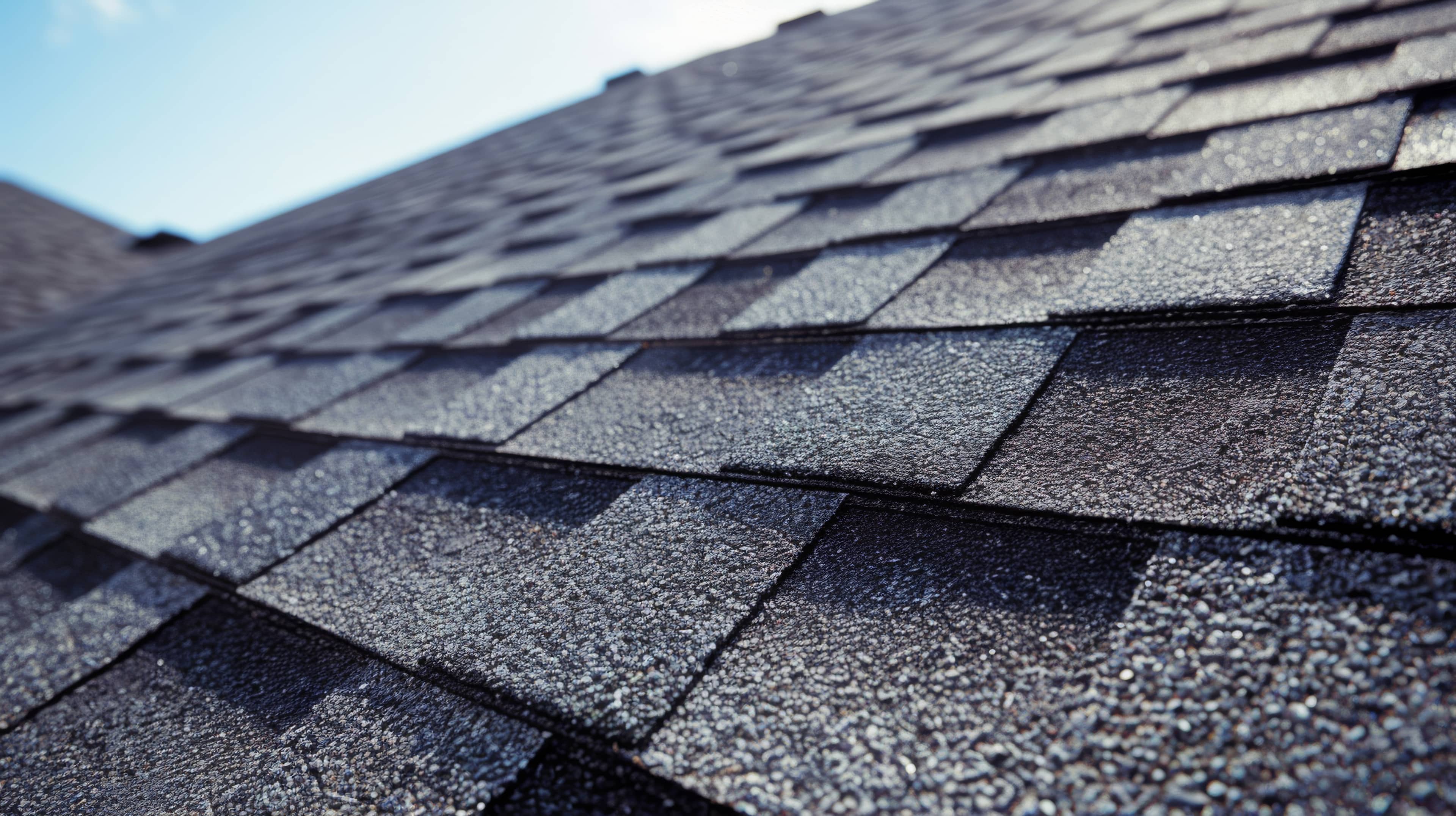
Not every problem means a full tear-off, and not every old roof is failing. But Texas weather — summer UV, temperature swings, hail, and wind — takes a real toll on roofing materials. The question is whether the roof still has reliable life left in it, or whether continued patching is just delaying an inevitable replacement at a higher total cost.

Guide 06
How to tell when a roof replacement is the right call
Snapshot
Focus
Roof condition and timing
Reading time
10 min
Key decision
Repair vs. replace
The Texas factor
Texas roofs age faster than the warranty implies.
A shingle rated for 25 or 30 years in a manufacturer's controlled test does not always last that long on a house in central Texas. Sustained summer heat that pushes attic temperatures above 140°F, intense UV exposure across 200-plus clear-sky days per year, daily thermal cycling that expands and contracts roofing materials, and periodic hail events that strip granules and crack mat material — all of these accelerate aging well beyond what the warranty timeline suggests.
Standard three-tab asphalt shingles, still found on many older Texas homes, typically deliver 12 to 18 years of reliable service in central Texas conditions. Architectural (dimensional) shingles perform better — 18 to 25 years is a reasonable expectation with decent ventilation. Class 4 impact-resistant shingles can extend that to 25 years or more, while standing-seam metal roofing commonly lasts 40 to 60 years with proper installation.
But these are averages. A roof that has taken two or three significant hail hits in its first decade may be functionally compromised well before its age would suggest. And a roof that looks acceptable from the curb can still be losing granules, developing soft spots under the shingle mat, or holding moisture in the underlayment. That is why age alone is not the only indicator — condition matters, and condition in Texas changes faster than most homeowners expect.
Standard three-tab asphalt shingles, still found on many older Texas homes, typically deliver 12 to 18 years of reliable service in central Texas conditions. Architectural (dimensional) shingles perform better — 18 to 25 years is a reasonable expectation with decent ventilation. Class 4 impact-resistant shingles can extend that to 25 years or more, while standing-seam metal roofing commonly lasts 40 to 60 years with proper installation.
But these are averages. A roof that has taken two or three significant hail hits in its first decade may be functionally compromised well before its age would suggest. And a roof that looks acceptable from the curb can still be losing granules, developing soft spots under the shingle mat, or holding moisture in the underlayment. That is why age alone is not the only indicator — condition matters, and condition in Texas changes faster than most homeowners expect.
Warning signs a Texas homeowner should not ignore
Heavy granule accumulation in gutters and downspouts
Some granule loss is normal on new shingles, but heavy accumulation in the gutters — especially after storms or a hot summer — signals that the shingle's protective layer is breaking down faster than expected. When you start seeing bare asphalt patches on the shingles themselves, the waterproofing function is already compromised.
Curling, cracking, or blistering across multiple shingles
These are visible signs of material breakdown. Curling edges lift in wind and allow water underneath. Cracking exposes the mat to UV and moisture. Blistering indicates trapped moisture in the shingle itself. Once these symptoms appear across a large area — not just a few isolated shingles — the roof is telling you it is in decline.
Soft spots or sagging on the roof deck
If you can see sag lines from the ground or feel soft, spongy areas when walking the attic, moisture has likely compromised the decking. This usually means the roof has failed in that area — water has been getting through the shingle and underlayment layers long enough to damage the structural wood. This is not a repair situation; it is a replacement signal.
Repeated leaks or patch repairs in different areas
One repair is routine maintenance. Two in different areas is a yellow flag. Three or more suggests the roof is declining system-wide, and continued patching will cost more over the next few years than a single replacement would. Track your repair history — when the cost of patches starts approaching 30 percent of a replacement, the math typically favors replacing.
How to evaluate whether it is time
1
Get a professional inspection with a written report
A qualified roofer can assess remaining material life, identify hidden damage from past storms, evaluate underlayment and decking condition, check ventilation performance, and give you an honest recommendation. If the inspector only wants to sell you a roof and does not discuss repair options, get a second opinion from someone who will.
2
Compare cumulative repair cost against replacement value
If you have spent — or are projected to spend — more than 25 to 30 percent of what a full replacement would cost on patches and repairs, the replacement usually wins on long-term economics. Factor in the risk that each repair is addressing a symptom while the underlying condition continues to decline.
3
Factor in other planned work on the home
If solar installation, a home sale, or a renovation is coming in the next few years, doing the roof first almost always saves money and avoids project conflicts. Installing solar on a roof that needs replacement soon means paying for a detach-and-reset later. Selling a home with a roof at end-of-life can reduce the sale price or trigger buyer demands during inspection.
Material lifespan
How long each roofing material actually lasts in Texas
Manufacturer warranties assume ideal conditions. Texas heat, UV exposure, and hail shorten real-world lifespan. These are what we typically see in the Austin area — not what the box says.
Real-world Texas lifespan vs manufacturer warranty
Roof replacement questions worth asking
Explore your roofing options before it becomes urgent.
Shingle grade, impact resistance, material life, and insurance implications — we walk through all of it during the estimate.